
English| EUR
Suggested for you
More currencies
Choose a language
Rafting the Sava Dolinka near Bled is accessible to most visitors, but operators enforce clear prerequisites to keep groups safe on alpine water. This guide covers the eligibility criteria, physical requirements, and gear checklist so you know exactly what to expect before you book.
Quick answer
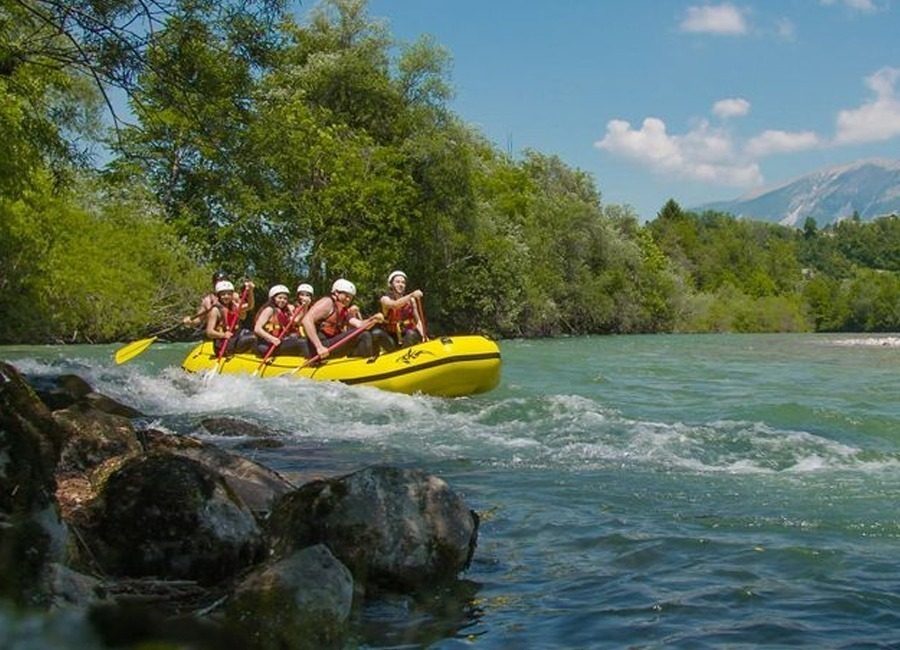
River rafting requirements on the Sava typically include a minimum age of 8 to 12 years depending on water levels, basic swimming ability, reasonable fitness for paddling and holding position in the raft, and a signed liability waiver. Operators provide helmets, life jackets, wetsuits, and paddles—you supply swimwear, towel, and footwear that can get wet. Pregnant guests, those with recent surgery, or individuals with heart conditions are usually excluded for safety reasons.
The Sava Dolinka flows cold and fast through a glacial valley, and every commercial operator on this stretch enforces a baseline set of prerequisites before handing you a paddle. These are not arbitrary rules—they reflect the river's alpine character, the remoteness of certain put-in points, and the fact that even Class II-III rapids can flip an inattentive crew. Age thresholds shift with seasonal discharge. In high spring runoff—typically May and early June—most outfitters raise the minimum to 12 or even 14 years because hydraulics intensify and water temperature drops below 10°C. By mid-summer the Sava mellows, and families with children as young as 8 are welcomed on the gentler sections between Bled and Radovljica. Every operator will ask whether participants can swim 25 meters unassisted; this is not tested on-site, but it remains a hard eligibility line because a swim in moving water is always possible, and self-rescue depends on that baseline competence. Fitness matters less than people assume. You do not need to train for a half-day trip, but you should be able to hold a paddle, follow timed commands from the guide, and brace your legs against footrests during bouncy water. Operators typically exclude guests with recent back or shoulder surgery, uncontrolled epilepsy, severe asthma, or cardiovascular conditions that limit exertion. Pregnant guests are turned away across the board. If you have a medical concern that falls into a gray zone—old knee injuries, controlled diabetes—contact the outfitter directly rather than arriving at the river and hoping for a judgment call. Gear provided by the operator always includes a tested life jacket, neoprene wetsuit (full or shortie depending on season), neoprene booties or water shoes, helmet, and paddle. You bring swimwear to wear under the wetsuit, a towel, a change of dry clothes for after, and optionally a waterproof case if you want to carry a phone. Operators will tell you to leave jewelry, rings, and anything with sentimental value in the van—losing an item in the Sava means it is gone. Cotton clothing is discouraged because it stays cold and heavy when wet; synthetic or wool base layers work better in shoulder season. Most outfitters provide a dry bag for one small personal item per raft. The river rafting requirements exist to keep trips enjoyable for the entire group, not to exclude casual participants. Nearly anyone in ordinary health and reasonable comfort with water will meet the threshold, and the questions operators ask during booking are designed to surface the few cases where the Sava Dolinka is genuinely not the right match.
“Age thresholds shift with seasonal discharge, and even Class II-III rapids can flip an inattentive crew.”
Sava River rafting requires booking through a licensed operator, as the river itself is free but guided tours are mandatory for safety and access. The process takes 15–30 minutes and should be completed at least 48 hours before your preferred date.
Confirm you meet the minimum age requirement (typically 12+ for mild sections, 16+ for technical rapids) and can swim 50 meters. Operators will ask about medical conditions that affect balance or cardiovascular strain.
Research operators certified by the Slovenian Alpine Association or local tourism boards. Compare group sizes, guide credentials, and whether equipment is included in the package price.
Contact the operator directly or visit their booking platform to view open dates. Morning departures (09:00–11:00) offer the best water clarity and are less likely to be canceled due to weather.
Provide participant names, contact details, and any dietary needs for post-trip meals if included. Operators require a deposit or full prepayment via bank transfer or card.
The operator will send a voucher with the exact meeting location (often near Bled or Radovljica), what to bring, and a cancellation policy. Arrive 20 minutes early for the safety briefing and wetsuit fitting.
Access to the Sava Dolinka River is open to the public, meaning there is no cost to enter the river area itself. All guided rafting activities require the purchase of a professional tour package.
Verdict: While river entry is 0 EUR, total costs depend on the guided rafting package selected from authorized local operators.
The Sava Dolinka River is located in Bled, Slovenia. The most accessible approach for rafting participants is by car or bus via the main regional roads leading into the Bled area.
A2 motorway to exit 3-Lipce, then follow signs to Bled
Bus to Bled Union or Bled Jezero station
Direct transfer to Sava Dolinka rafting meeting points
Plan your arrival within the best arrival window of 09:00–15:00 to align with guided rafting departures. Check local parking availability near your designated meeting point as space can be limited during peak hours.
Safe rafting on the Sava requires strict adherence to operator instructions and respect for the alpine river environment. Following these rules protects both participants and the pristine ecosystem.
Prepare these essentials before your Sava River rafting trip to ensure a smooth and safe experience.
Everything you need to know about river rafting requirements
To participate, you must be in good general health and able to follow instructions from your guide. These river rafting requirements ensure that all participants remain safe while navigating the rapids.
Most guided excursions do not require previous experience, as professional guides provide a safety briefing before launch. You simply need to be comfortable in a water environment to enjoy the journey.
While physical fitness river rafting requirements vary by tour operator, participants should be able to sit securely in the raft and assist with paddling. Most operators have specific age minimums to ensure the safety of younger guests.
Professional tour operators provide all necessary safety gear, including life jackets, helmets, and wetsuits, as part of their service package. Providing this equipment is standard for meeting safety-focused river rafting requirements.
While swimming ability is recommended for most water sports, you will be wearing a high-buoyancy life jacket throughout the trip. Please inform your guide of your swimming level during the pre-departure briefing.
The best arrival window is 09:00–15:00 to ensure optimal water levels and daylight for your departure. Arriving during this period allows for the best experience on the river.
White Water Rafting on the Sava
Read more GuideBest River Rafting Captions
Read more Tickets & toursGuided Sava River Rafting Trips
Read more Tickets & toursSava River Rafting from Bled
Read more Tickets & toursSava Dolinka Rafting Tours
Read more Tickets & toursSava Bohinjka Rafting Tours
Read more Tickets & toursSava River Kayaking
Read more